En 2002, un documentaire a vu le jour, dévoilant les coulisses et les mystères des effets spéciaux au cinéma, depuis les prouesses de Georges Méliès jusqu’aux avancées les plus modernes de l’époque. « C’est pas sorcier », le magazine de la découverte et de la science, s’est penché sur cette fascinante alchimie visuelle, révélant comment l’ingéniosité humaine et les innovations technologiques se sont succédé pour tromper notre regard et éveiller notre imagination.
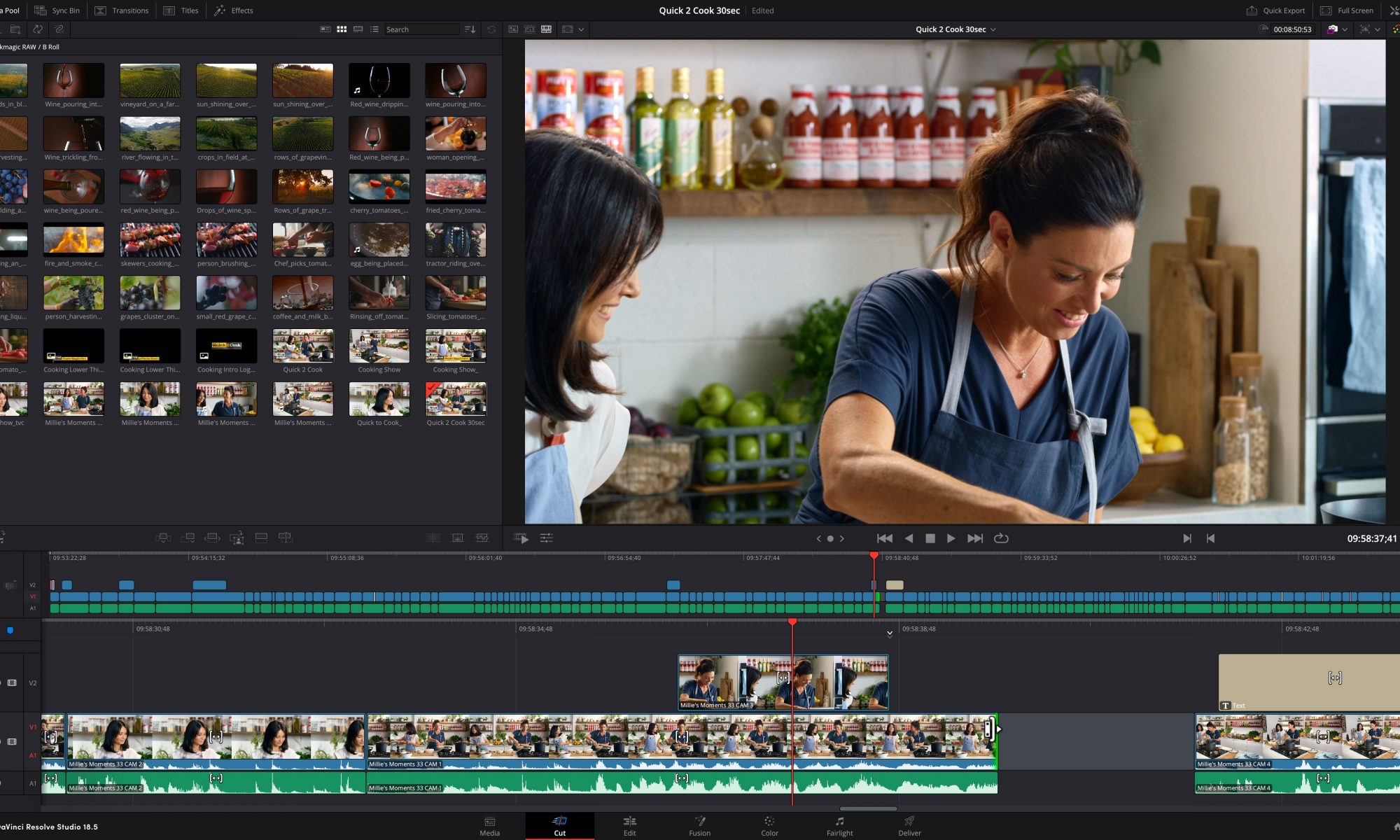
Blackmagic Design vient de sortir la version bêta 4 de la mise à jour logicielle DaVinci Resolve 18.5, apportant plusieurs améliorations et nouveautés significatives. Cette version est une continuation de la version bêta publique de DaVinci Resolve et offre aux utilisateurs des fonctionnalités supplémentaires ainsi que des améliorations de performance.
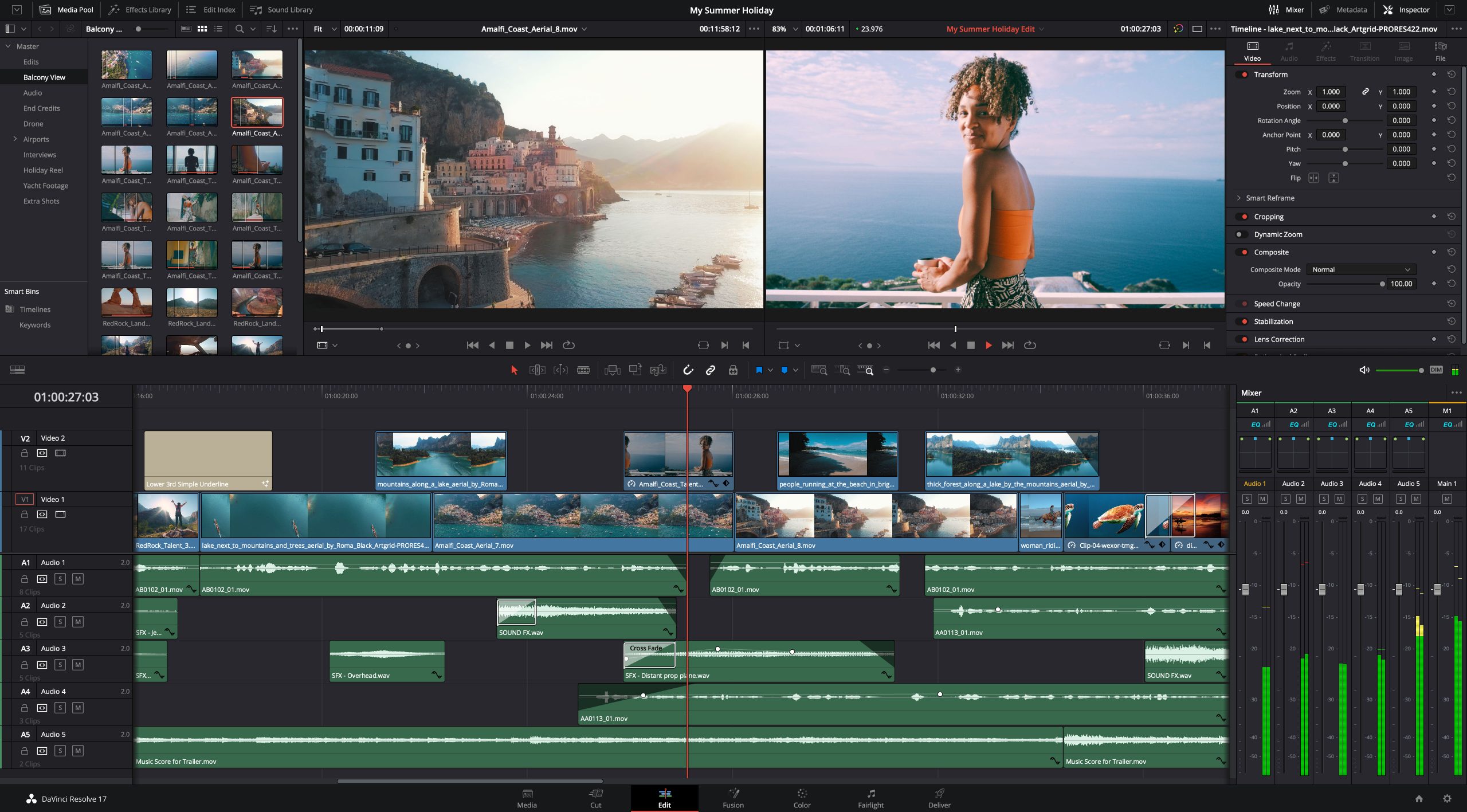
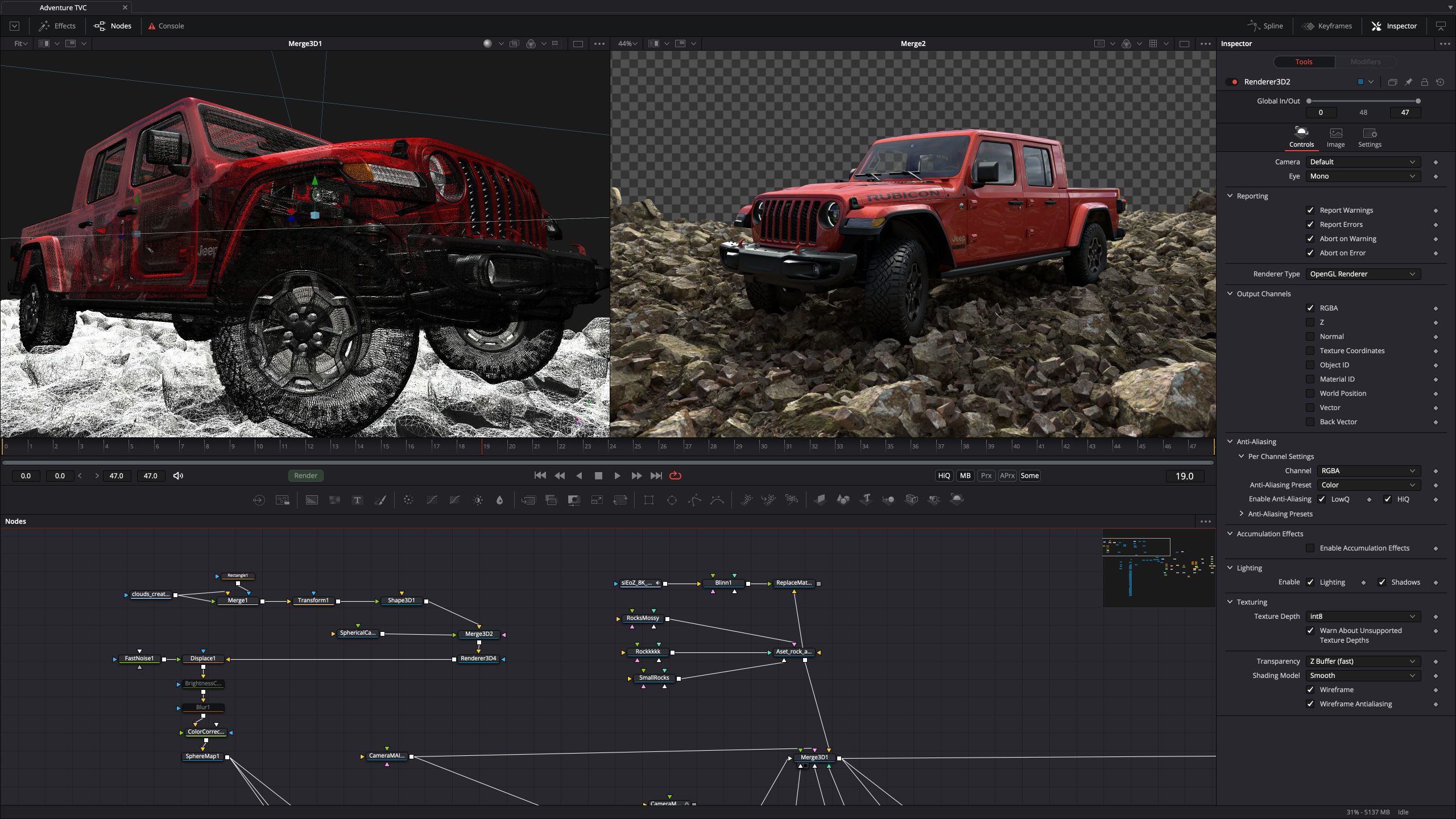
Les versions finales de Davinci Resolve 17 et de Fusion 17 sont aujourd’hui disponibles, en version light, gratuite (Davinci Resolve 17), et en version complète (Davinci Resolve 17 Studio & Fusion 17 Studio), en libre téléchargement à ce lien : https://www.blackmagicdesign.com/support/ pour Windows, Linux et Mac.
Le plugin Avid Media Composer Fusion 17 connect y est aussi disponible.
« The free DaVinci Resolve 17 includes all of the same high quality processing as DaVinci Resolve 17 Studio and can handle unlimited resolution media files. However it does limit project mastering and output to Ultra HD resolutions or lower. DaVinci Resolve 17 only supports a single processing GPU on Windows and Linux and 2 GPUs on the latest Mac Pro.
If you need features such as support for multiple GPUs, 4K output, motion blur effects, temporal and spatial noise reduction, de-interlacing, HDR tools, camera tracker, multiple Resolve FX, 3D stereoscopic tools, remote rendering, an external database server and collaboration tools that let multiple users work on the same project at the same time, please upgrade to DaVinci Resolve 17 Studio.
We hope you do decide to upgrade as your facility grows and you do more advanced work! »